Research programme 04
Metabolism, invasion and therapeutic vulnerabilities
We trace how p53 status rewires the mevalonate pathway, cytoskeletal signalling and tumour invasion to identify mutation-selective treatment opportunities.
Central question
Can metabolic and signalling dependencies created by mutant p53 be exploited without compromising wild-type p53 tumour suppression?
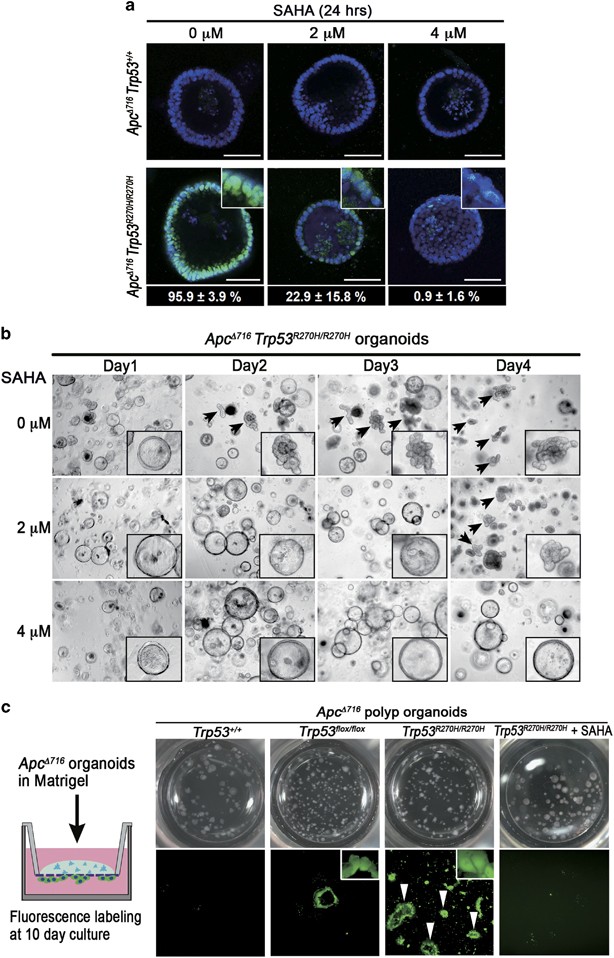
Wild-type and mutant p53 can exert opposing effects on metabolic pathways. Work from the laboratory has linked p53 to the mevalonate pathway, a biosynthetic system that supports membrane production, protein prenylation and oncogenic signalling.
Current studies connect this pathway with Rho/ROCK-dependent invasion in complex environments and test whether pathway inhibition can destabilise mutant p53 or suppress its downstream phenotypes.